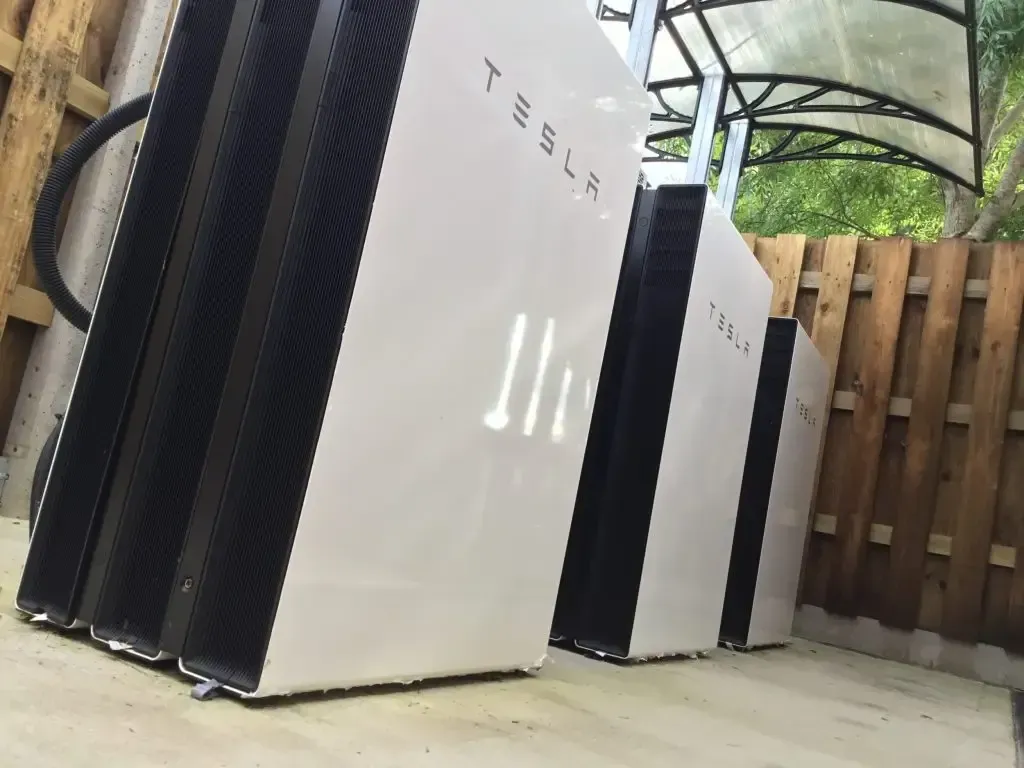
Should Your Clovis Business Add Battery Storage With Solar?
For many businesses in Clovis, California, installing commercial solar is already a smart way to reduce long-term electricity costs. But as California energy billing evolves, more business owners are asking a second question:
Should we add battery storage too?
The answer depends on your building, your electricity usage, your utility rate, and how important backup power is to your business. For some Clovis businesses, adding battery storage to a solar system can improve savings, reduce exposure to expensive peak periods, and provide resilience during outages. For others, solar alone may still be the better first step.
What Does Battery Storage Do for a Business?
A commercial battery stores electricity so your business can use it later instead of pulling all of that power from the grid when rates are higher or when the grid is unavailable.
In a typical commercial setup, the battery may charge from your solar system during the day and discharge later when electricity is more expensive or when your building hits a high demand spike. PG&E says battery storage can help business customers manage demand charges and reduce exposure to infrequent periods of elevated load.
That means battery storage is not just about “backup.” It can also be about timing, rate optimisation, and reducing costly peaks in your power use.
Why Battery Storage Is Getting More Attention in California
Battery storage has become a bigger part of the conversation because California’s energy rules and business rate structures increasingly reward flexibility.
The California Public Utilities Commission explains that customer-generators are under Net Billing, and exported solar energy is compensated under that structure rather than the older net metering model. That makes self-consumption and strategic use of onsite energy more important than simply exporting excess solar to the grid.
At the same time, PG&E’s current business rate materials show that some commercial plans include demand charges, where part of your bill is based on your maximum load, not just total electricity consumed. PG&E’s Business Medium Use (B10) and Business Medium-High Use (B19) rate descriptions specifically note demand-charge components for qualifying business customers.
For businesses in Clovis, that combination can make battery storage more attractive than it was a few years ago.
When Battery Storage May Make Sense for a Clovis Business
Battery storage is usually most compelling when one or more of these factors apply.
1. Your business has expensive peak demand
If your electricity bill is being driven partly by demand charges, a battery may help lower those charges by discharging during short periods of high usage.
For example, if your building’s load spikes when HVAC, refrigeration, equipment, or production systems all ramp up at once, a battery may be able to shave that peak. PG&E says battery storage can reduce exposure to elevated-load periods and that demand charges are an important feature of some business tariffs.
This can be especially relevant for:
Warehouses
Industrial buildings
Refrigerated businesses
Medical facilities
Auto shops
Ag processing sites
2. Your business uses a lot of power late in the day
Solar produces most strongly in daylight hours. If your business continues using significant electricity later in the afternoon or evening, battery storage may let you shift some of your solar energy into those later periods.
That matters more under California’s current net billing structure, where using your own stored power can be more valuable than exporting excess generation at a lower credit rate.
3. Backup power matters to your operations
For some businesses, the biggest value of battery storage is resilience.
The CPUC states that SGIP-supported battery systems can function during a power outage and may provide power for several hours, or longer depending on the battery and the load being served.
That can be valuable for Clovis businesses that need to protect:
Refrigeration or cold storage
Security systems
Internet and communications
Essential office operations
Limited critical equipment
Customer experience during outages
It is important to note that not every battery system is designed to back up an entire commercial facility. Many are configured to support only selected critical loads.
4. You want to improve the value of your solar production
In many commercial projects, the battery’s role is to make the solar system more useful.
Instead of sending excess midday solar to the grid, a battery may store part of that electricity for later onsite use. That can improve the practical value of each solar kilowatt-hour depending on the rate structure, load profile, and system design. Under California net billing, that kind of load shifting can be a key part of the economics.
When Solar Alone May Still Be the Better Choice
Battery storage is not automatically the right move for every business.
In some cases, solar-only may make more sense if:
Your business operates mainly during sunny daytime hours
Your building has minimal demand-charge exposure
Backup power is not a major priority
Your load profile already lines up well with solar production
You want the lowest upfront project cost
For example, an office or retail business that uses most of its power during the solar production window may get strong value from solar without needing a battery right away.
Are There Incentives for Commercial Battery Storage in California?
Yes. California’s Self-Generation Incentive Program (SGIP) offers incentives for eligible energy storage projects, including non-residential battery storage. The CPUC states that SGIP provides incentives for new qualifying distributed energy resources, and its participation page specifically says the program offers rebates for energy storage technologies at residential and non-residential facilities.
SGIP funding availability can vary by category, budget step, and demand, so businesses usually need to check current program conditions during the project planning process. The statewide SGIP site maintains program metrics and incentive step tracking.
Types of Clovis Businesses That May Benefit Most From Battery Storage
Not every commercial property in Clovis will need storage, but some are more likely to benefit.
Warehouses and industrial buildings
These often have large loads, equipment peaks, and potential demand-charge exposure.
Agricultural and food-related operations
Cold storage, packing, and processing sites may benefit from both bill management and backup capability.
Medical and professional facilities
Some businesses value continuity and backup power as much as direct utility savings.
Retail businesses with heavy cooling loads
If HVAC drives afternoon peaks, a battery may help reduce those costly periods.
Businesses with critical loads
If a short outage creates operational problems, storage may offer resilience value beyond pure bill savings.
Clovis continues to market itself as a place where businesses can grow and expand, with city economic development support for both existing and incoming businesses. For owner-occupied commercial properties planning for the long term, that makes energy infrastructure decisions especially important.
Questions to Ask Before Adding Battery Storage
Before pairing storage with solar, a business should usually look at:
What does our utility bill actually show?
You want to know whether energy charges, demand charges, or both are driving costs.
When do we use the most electricity?
Your hourly load profile matters more than your monthly total.
Do we need backup power, bill savings, or both?
Some businesses justify batteries mostly on resilience. Others justify them on rate optimisation.
Which loads would we back up?
Most commercial batteries are designed around priority loads, not always full-building backup.
Are incentives currently available?
Programs like SGIP can materially affect the economics of a project.
Final Thoughts: Should Your Clovis Business Add Battery Storage With Solar?
For some businesses in Clovis, CA, adding battery storage with solar is a smart move. It can help reduce peak demand costs, improve the value of onsite solar generation, and provide backup power during outages. That is especially true for businesses with demand-charge exposure, afternoon peaks, or critical operational loads.
For others, solar alone may still be the best first investment.
The right answer comes down to your building’s load profile, your utility tariff, your outage risk, and your goals. In many cases, the most useful next step is not guessing — it is reviewing interval usage data and designing a system around how your business actually uses power.